From the archive
Page 16 of 38 · 895 stories
From the archive
361–384 of 895 articles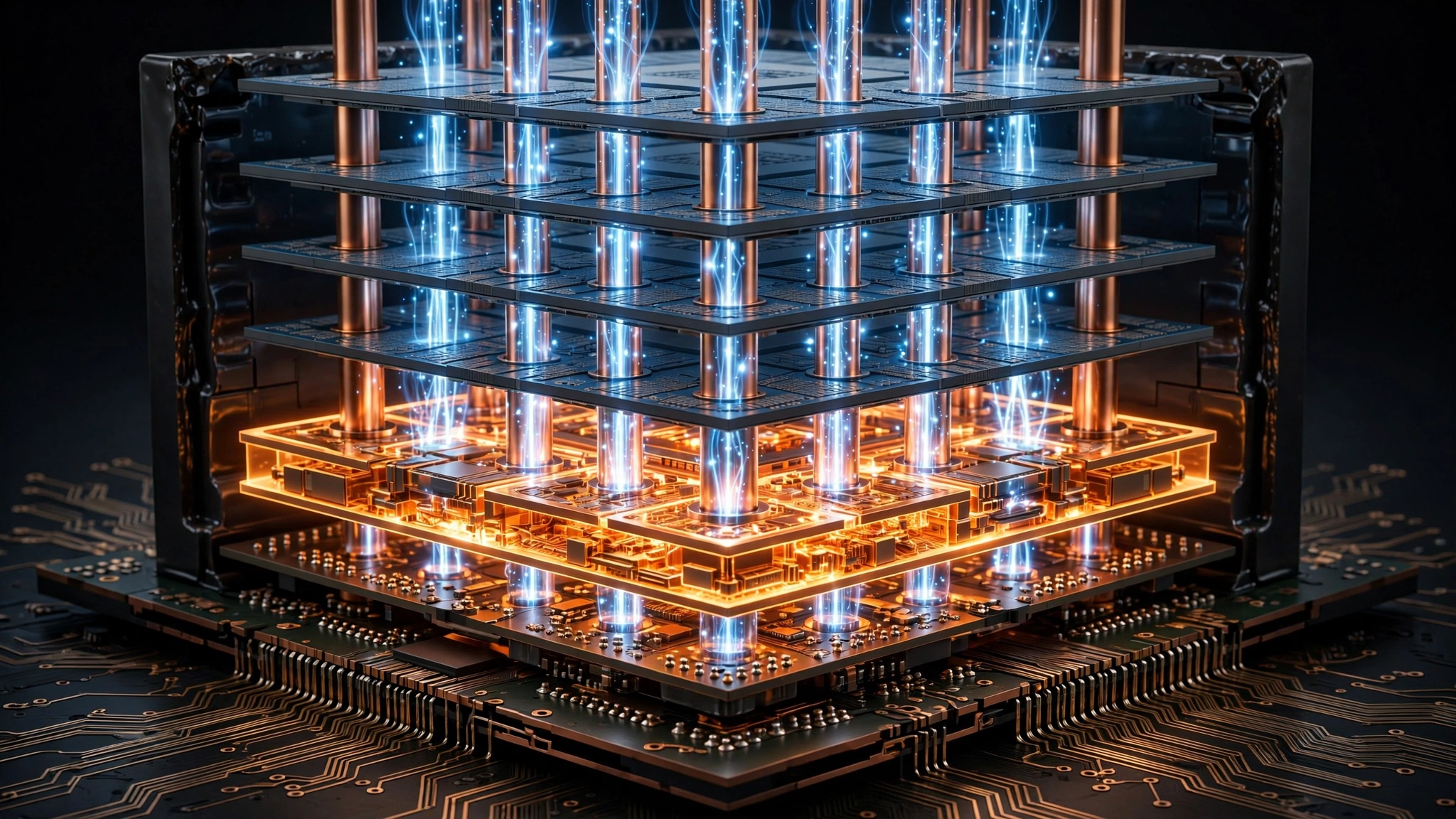
Qualcomm Promised $15 Billion in Datacenter Revenue by 2029. Its Current Datacenter Revenue Is Zero.
At its June 2026 Investor Day, Qualcomm unveiled a near-memory compute architecture it claims delivers 133 TB/s of 'effective' bandwidth, a 250-core server CPU, and anchor deals with Meta and Microsoft. The physics of that bandwidth claim deserve a closer look.
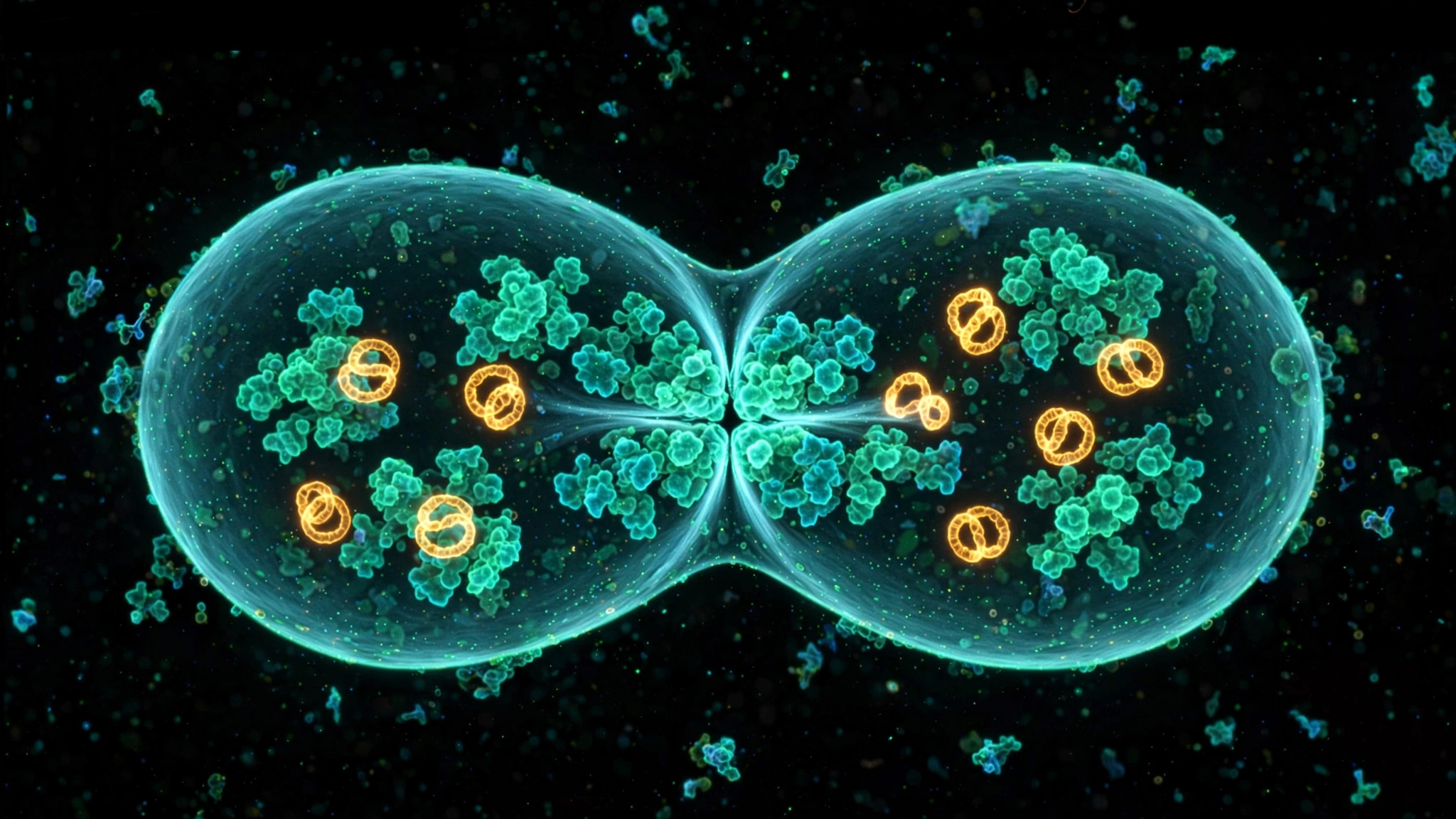
90,000 Letters of DNA, 150 Molecules, Zero Borrowed Genes. The First Synthetic Cell That Evolves.
University of Minnesota researchers assembled SpudCell from nonliving parts: a 90-kilobase genome that's 83% smaller than the previous minimal cell. It feeds, grows, divides, and exhibits Darwinian selection. It also can't make its own ribosomes.
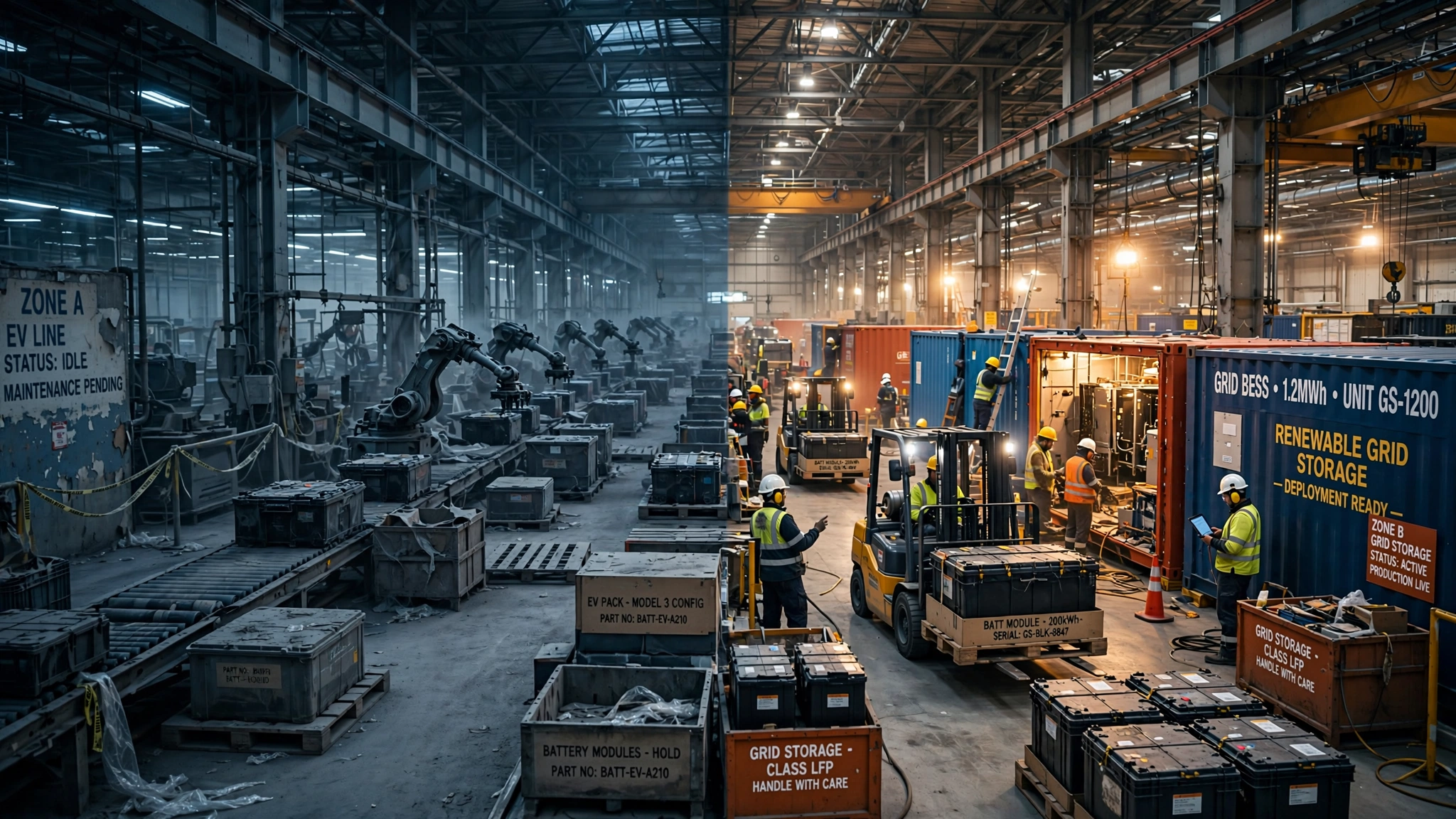
Ford and GM Wrote Down $27 Billion on EVs. Now They're Converting Those Factories to Chase Tesla's Most Profitable Business.
Detroit burned $27.1B on EVs and is spending $2B to pivot the same factories into grid storage. Tesla already makes 2x the margin on batteries that it does on cars. The math on catching up.
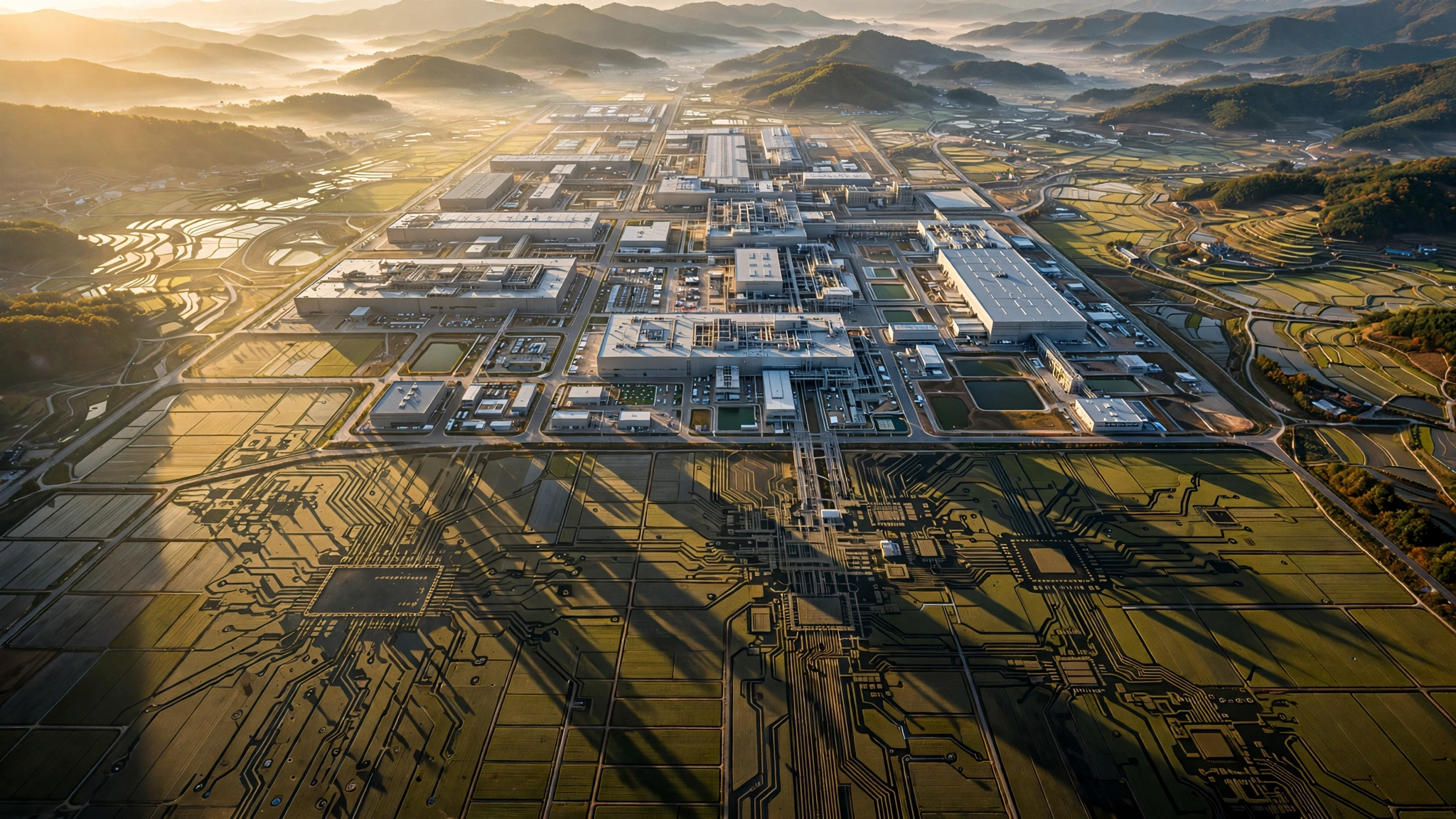
South Korea Just Committed 107% of Its GDP to Memory Chips. The Last Time It Bet This Big, Profits Fell 89% in One Year.
$2.07 trillion from two companies in a country with $1.93 trillion in GDP. At peak profits, payback takes 41 years. And memory is cyclical.
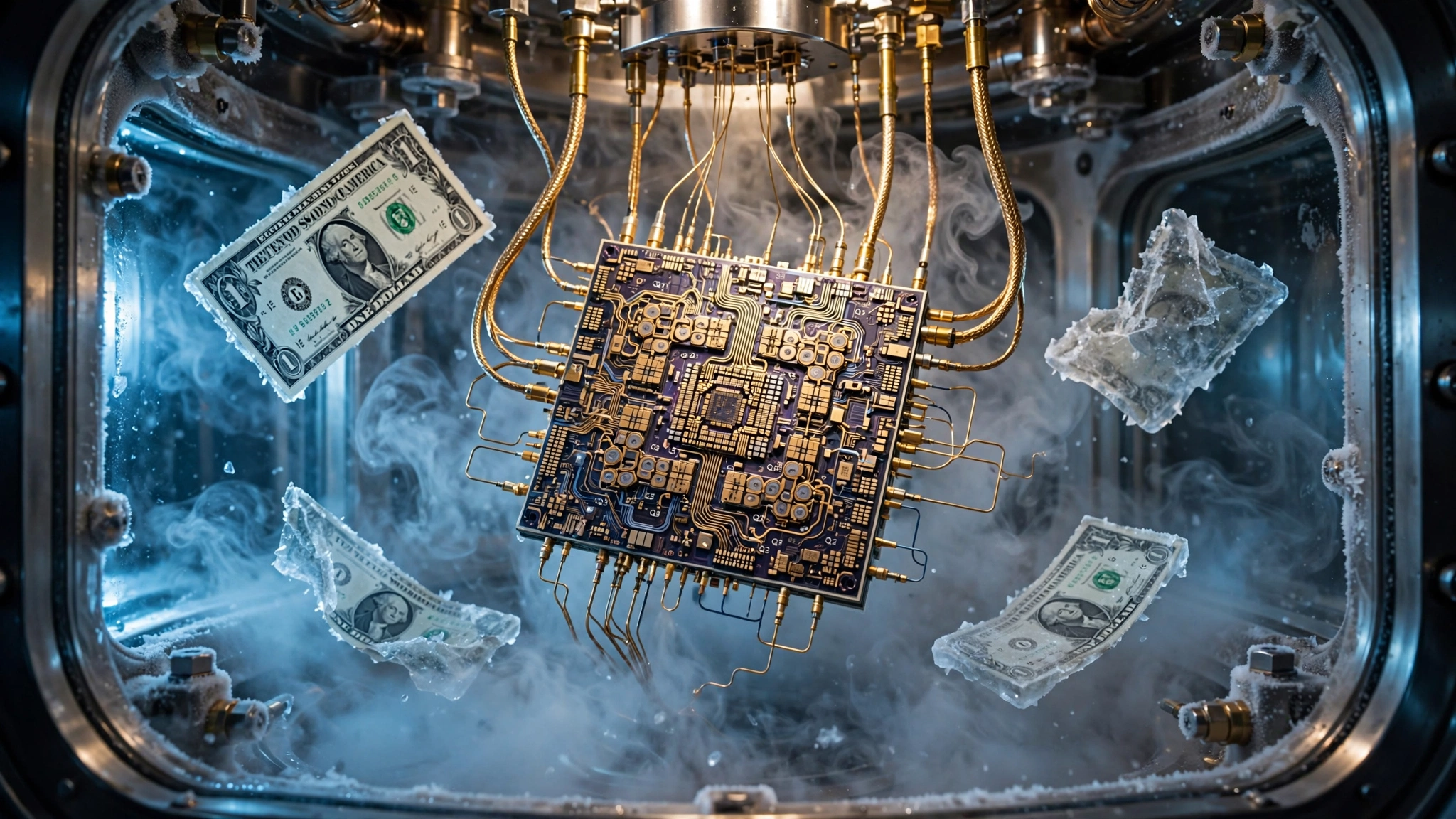
The US Government Bought Equity in 9 Quantum Companies. Their Combined Revenue Wouldn't Cover One F-35 Engine.
$2 billion in CHIPS Act funding for a sector with $169 million in combined revenue. The math is either visionary or insane.
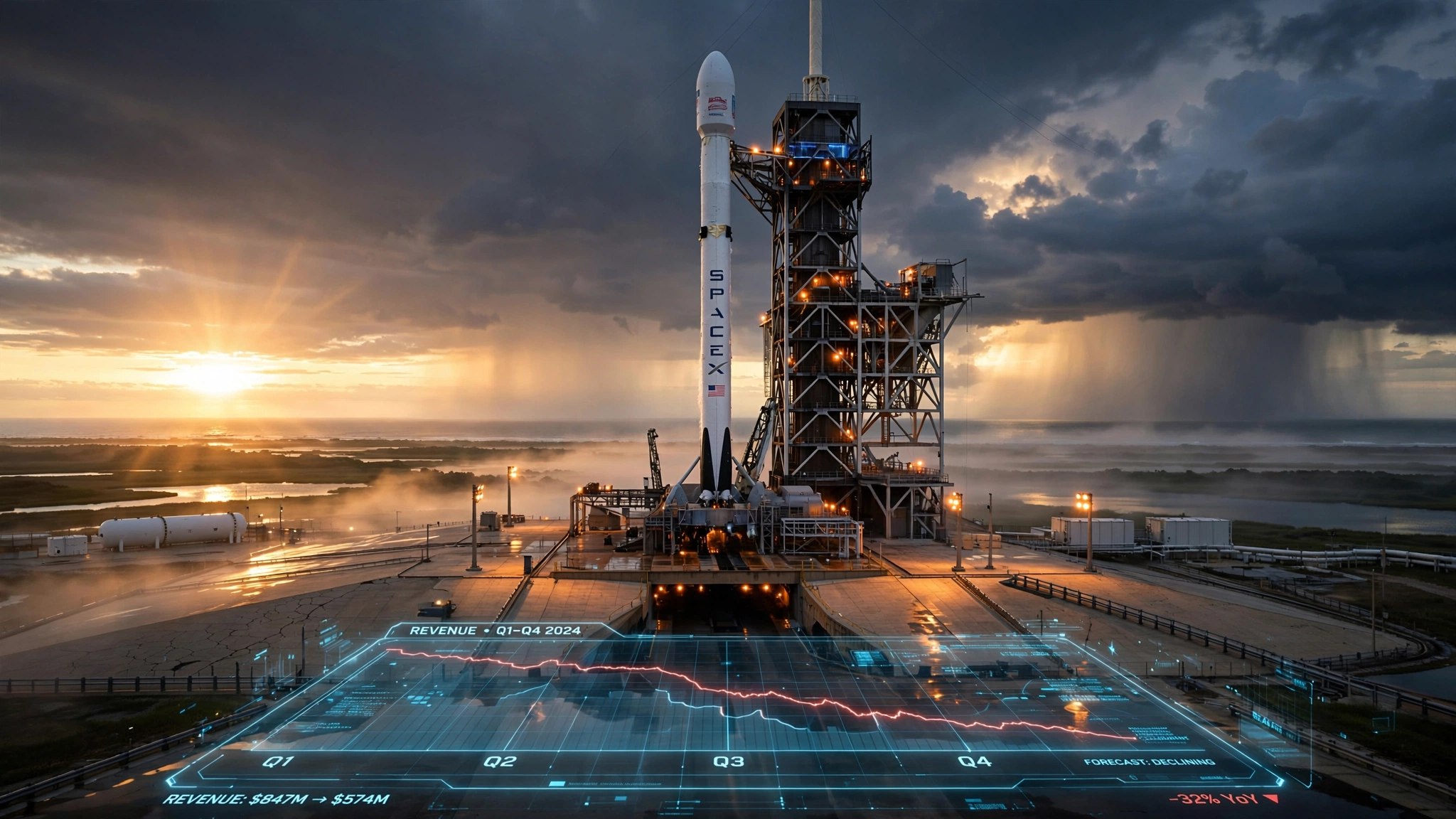
SpaceX Launched 170 Rockets in 2025 and Charged for 43. The IPO Filing Shows Where the Other $2.4 Billion Went.
SpaceX's S-1 reveals three numbers that challenge the bull case: ARPU falling to $66/month, xAI burning $1.44 for every dollar Starlink earns, and a valuation of $218,000 per subscriber.
California Let One Professor Cite Herself 76 Times in a 1,000-Page Math Framework. Then the State Board Passed It Anyway.
A Stanford mathematician read every citation in California's math framework. The papers said the opposite of what the framework claimed. We're open-sourcing the tools to audit yours.
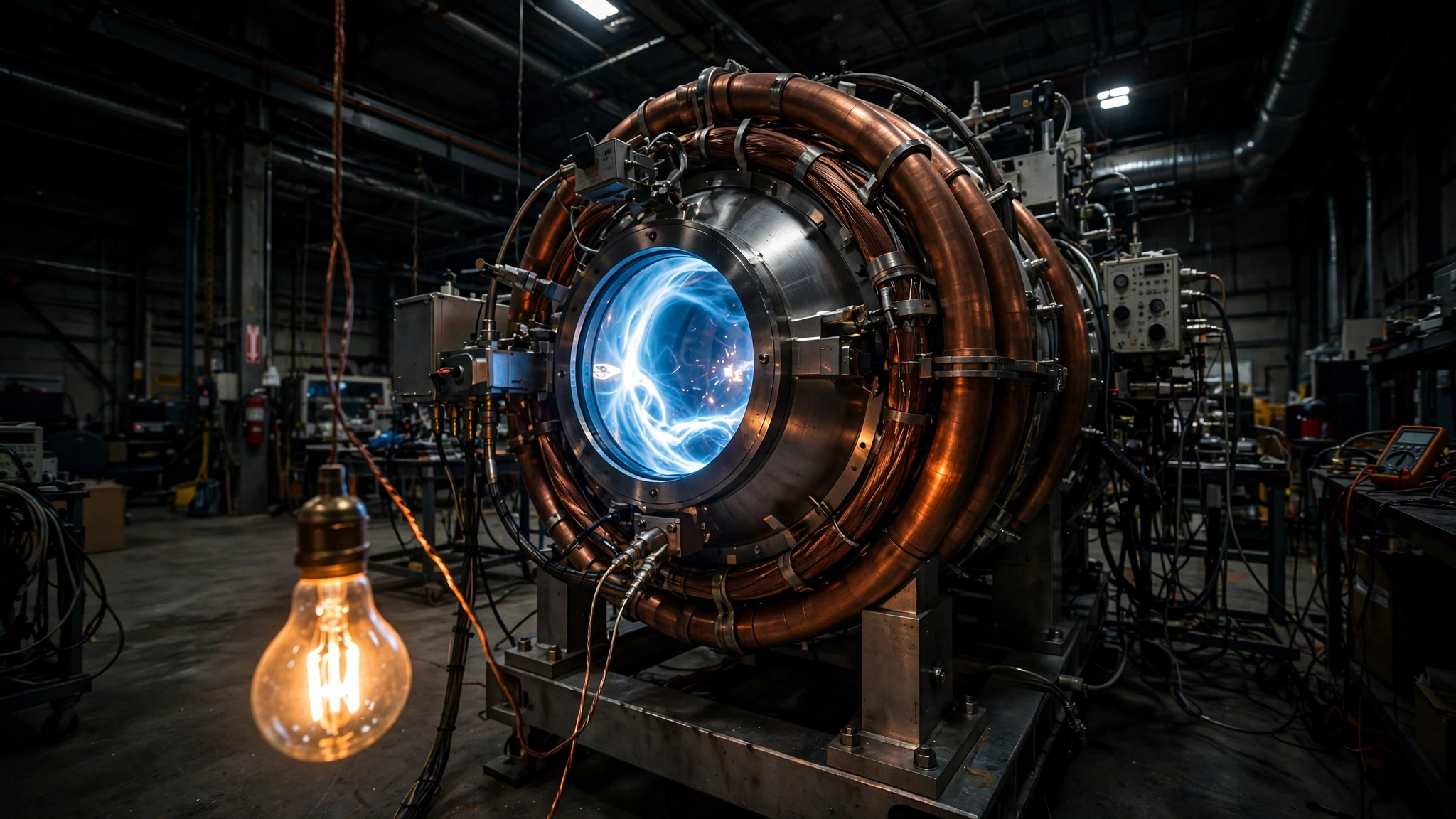
A $36 Million Fusion Startup Just Demonstrated What a $15.5 Billion One Hasn't
Realta Fusion generated electricity from fusion plasma using direct energy conversion. The Q-factor math shows why this matters more than the lightbulb it powered.
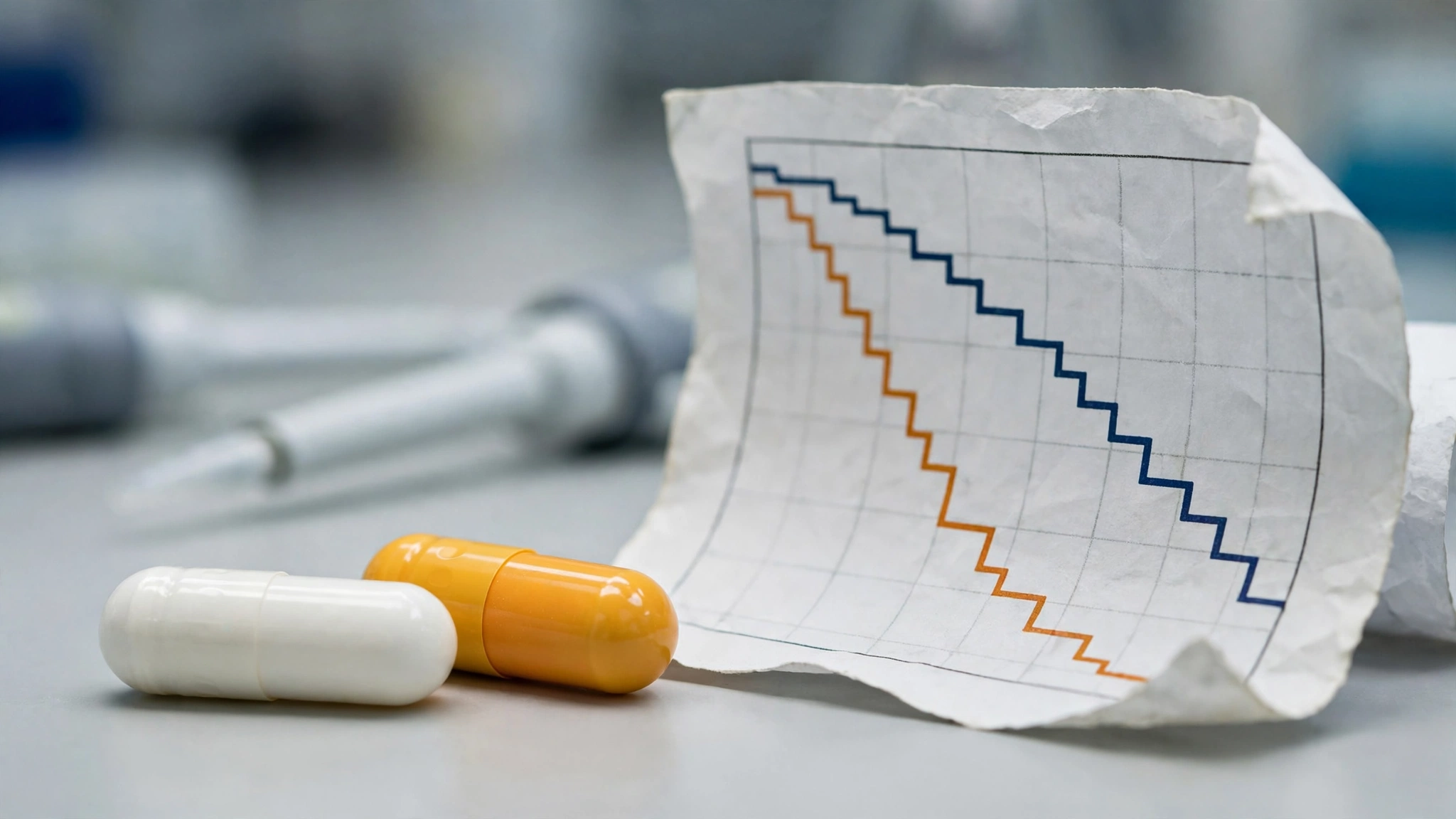
Two Generic Drugs That Cost $1 a Day Just Showed the Biggest Survival Benefit in ALS History
PrimeC combines celecoxib and ciprofloxacin into an ALS therapy with a 15-month median survival benefit. An original cost-per-survival-month analysis across every ALS drug reveals a potential 160-fold advantage.
A Single Injection Reversed Muscle Loss in a Disease With Zero Treatments. It Didn't Cut Any DNA.
Epicrispr's EPI-321 is the first epigenetic editing therapy to show muscle mass gain in FSHD patients. An original analysis compares epigenetic editing vs DNA-cutting approaches across cost, safety, and scalability.
A 4-Week Drug Restored Aged Stem Cells Without Fixing What Made Them Old. Their Telomeres Were Still Short.
Telomeric antisense oligonucleotides silenced the damage alarm at short telomeres in old mice without lengthening them. Stem cells competed with young ones. Vaccine responses improved. An original cost analysis reveals the economics.
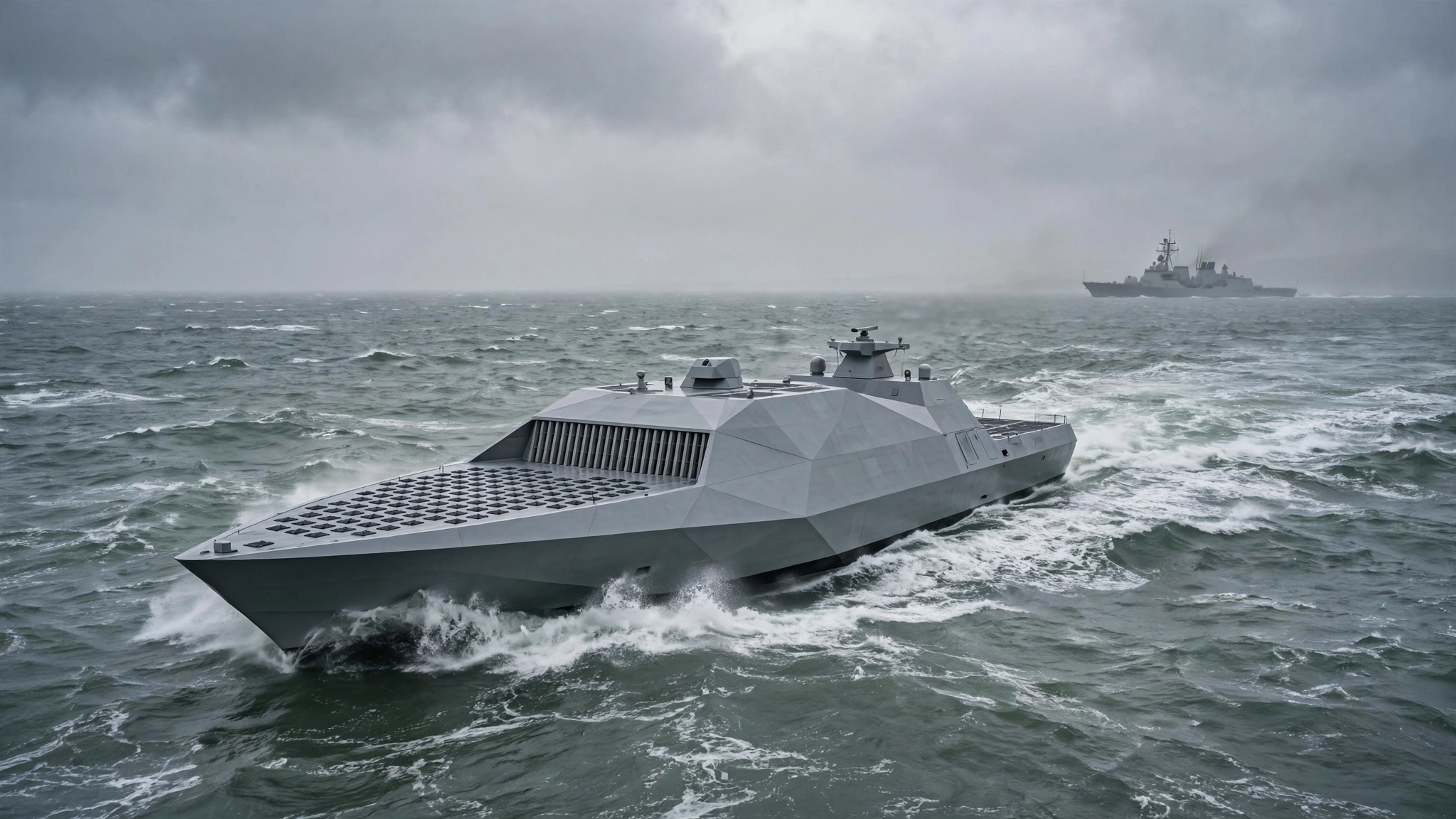
Britain Cancelled Its Next Destroyer to Build Robot Warships Instead. For the Price of One Type 83, the Royal Navy Could Field 20 Uncrewed Missile Barges.
The UK scrapped the Type 83 destroyer and announced four new classes of uncrewed warships within a £5 billion drone investment. An original cost-per-sensor-day analysis shows the hybrid fleet could deliver 7 to 13 times more patrol coverage per pound.
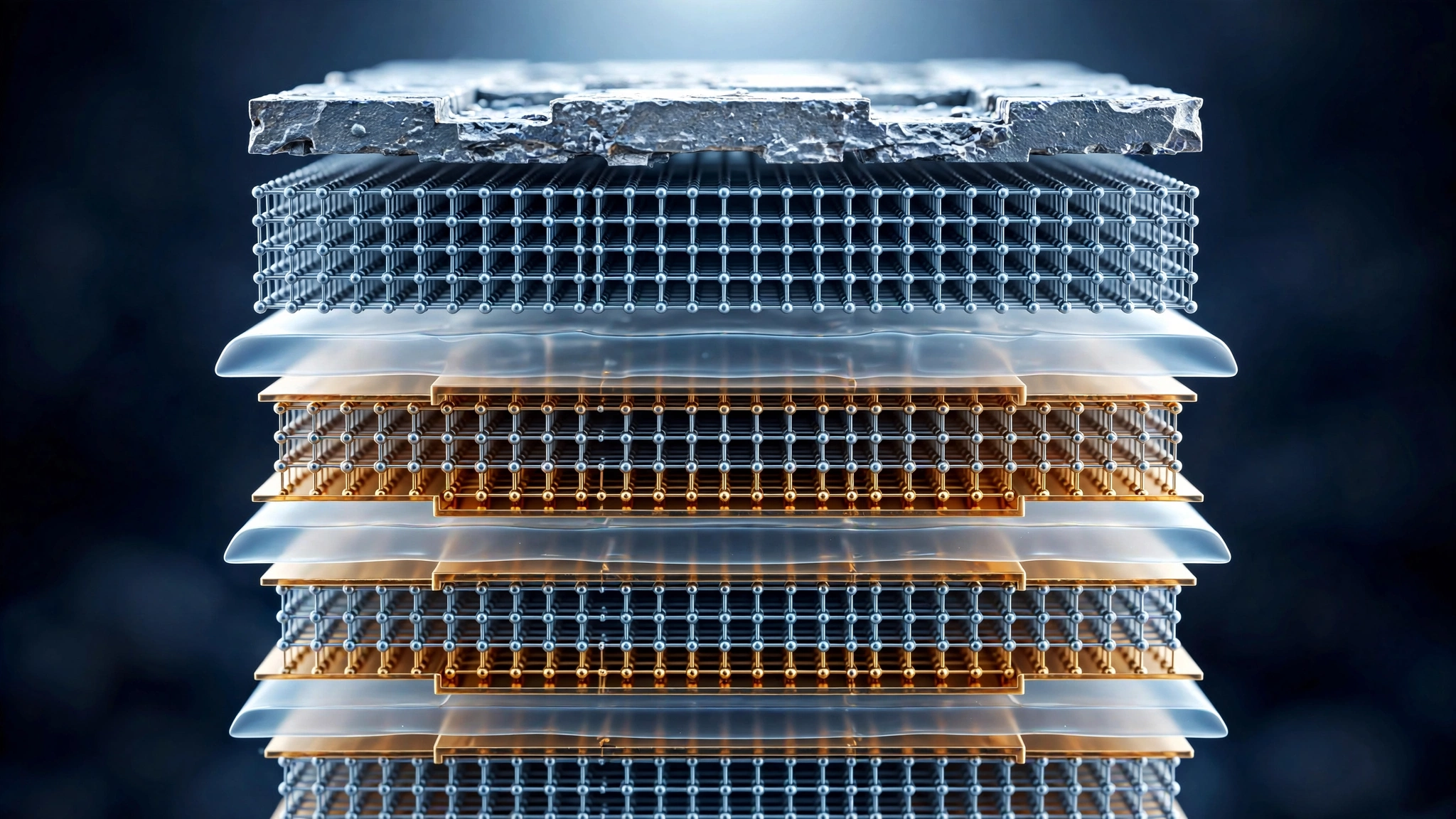
IBM Packs 100 Billion Transistors on a Fingernail. Its Last Breakthrough, From 2021, Still Isn't in Mass Production.
IBM has demonstrated every major chip node first since 2015 and manufactured zero. A systematic analysis of the widening lab-to-factory gap shows why the 0.7nm nanostack may not reach production until 2031.
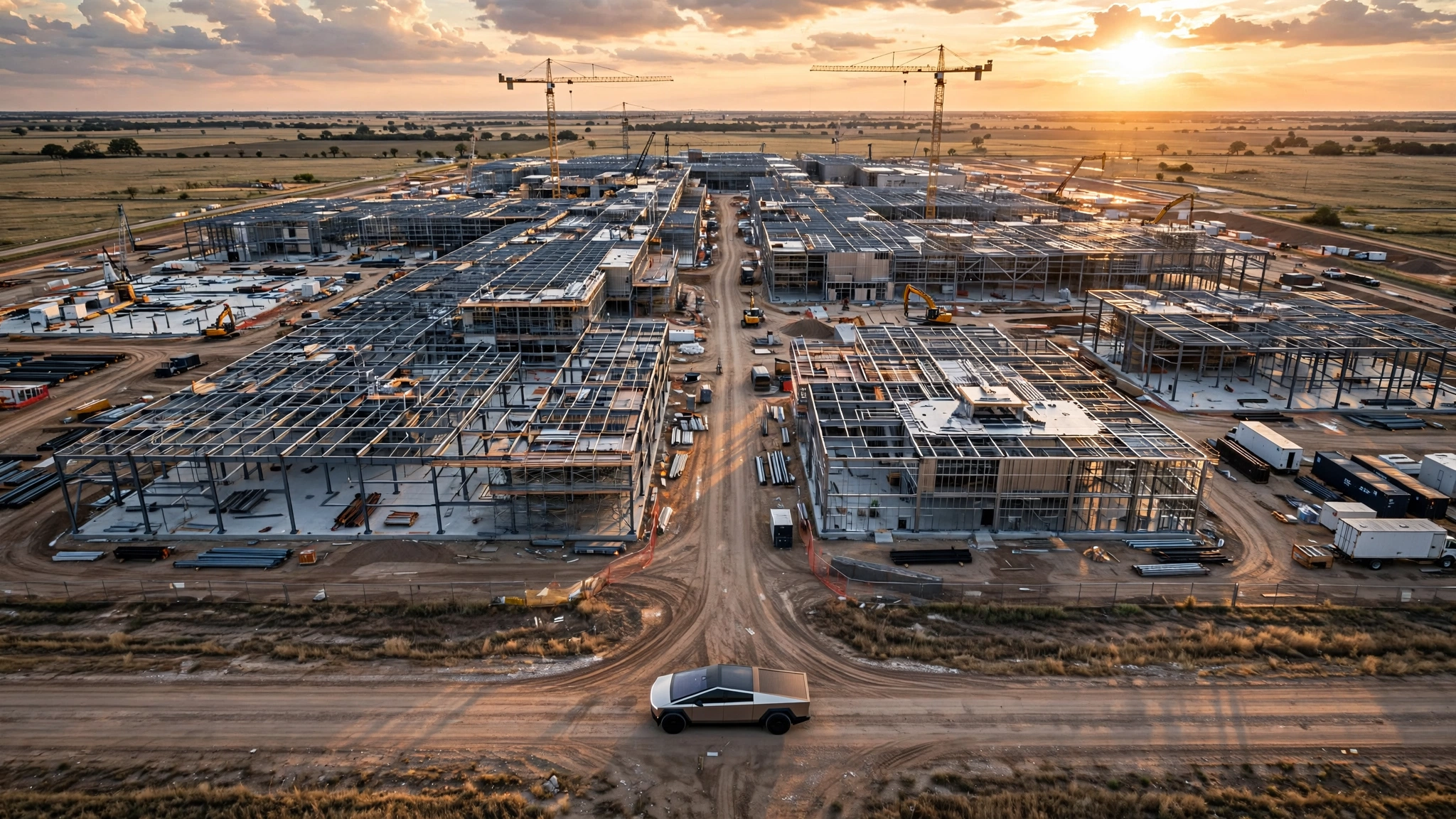
Tesla Promised 100 GWh of Batteries by 2023. It Has 18 GWh in 2026. Now It Wants to Build a $119 Billion Chip Fab.
Applying Tesla's Battery Day execution trajectory to Terafab economics shows break-even requires 70%+ fab utilization on Intel's unproven 14A node.
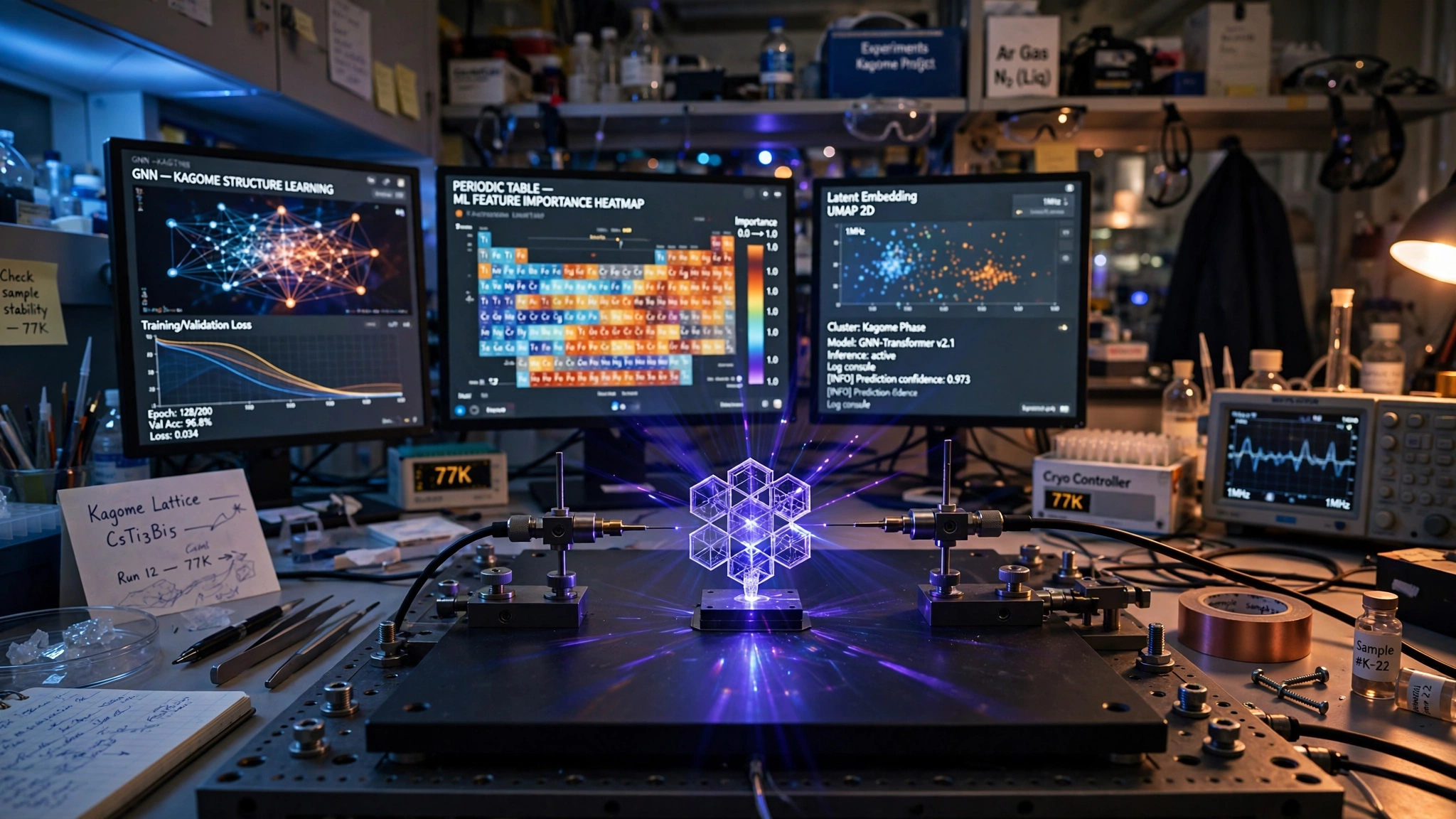
Scientists Found 20 Superconductors by Prediction in 60 Years. Machine Learning Could Find Thousands in a Decade.
Two superconductor breakthroughs in 48 hours. ML-guided kagome lattice discovery at Aalto. Magnetic-field-boosted graphene states at MIT. An original energy analysis shows what's at stake.
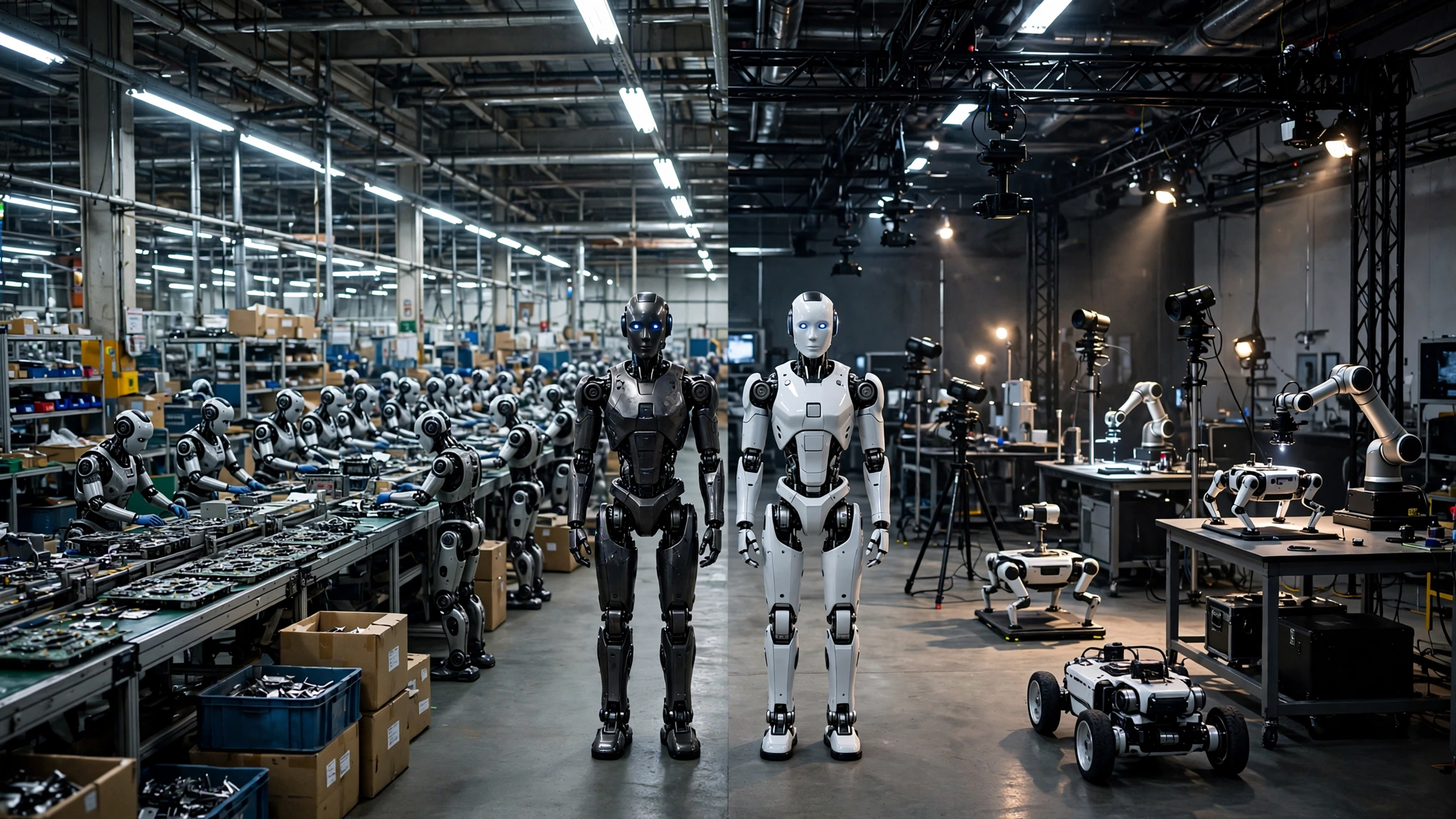
China Has 15,000 Humanoid Robots Generating Free Training Data. America Built a 90,000-Sq-Ft Facility to Generate Better Data.
AGIBOT shipped 15,000 robots. Apptronik built Robot Park with Google DeepMind. An original cost analysis shows the real bottleneck in humanoid robotics isn't hardware.
Your AI Agent Remembers a Lie It Was Told 3 Months Ago. Researchers Found a 50% Attack Success Rate.
Prompt injection was a session-scoped problem. Sleeper memory poisoning makes it permanent. Three independent research teams found that AI agents with long-term memory can be corrupted once and stay corrupted forever.
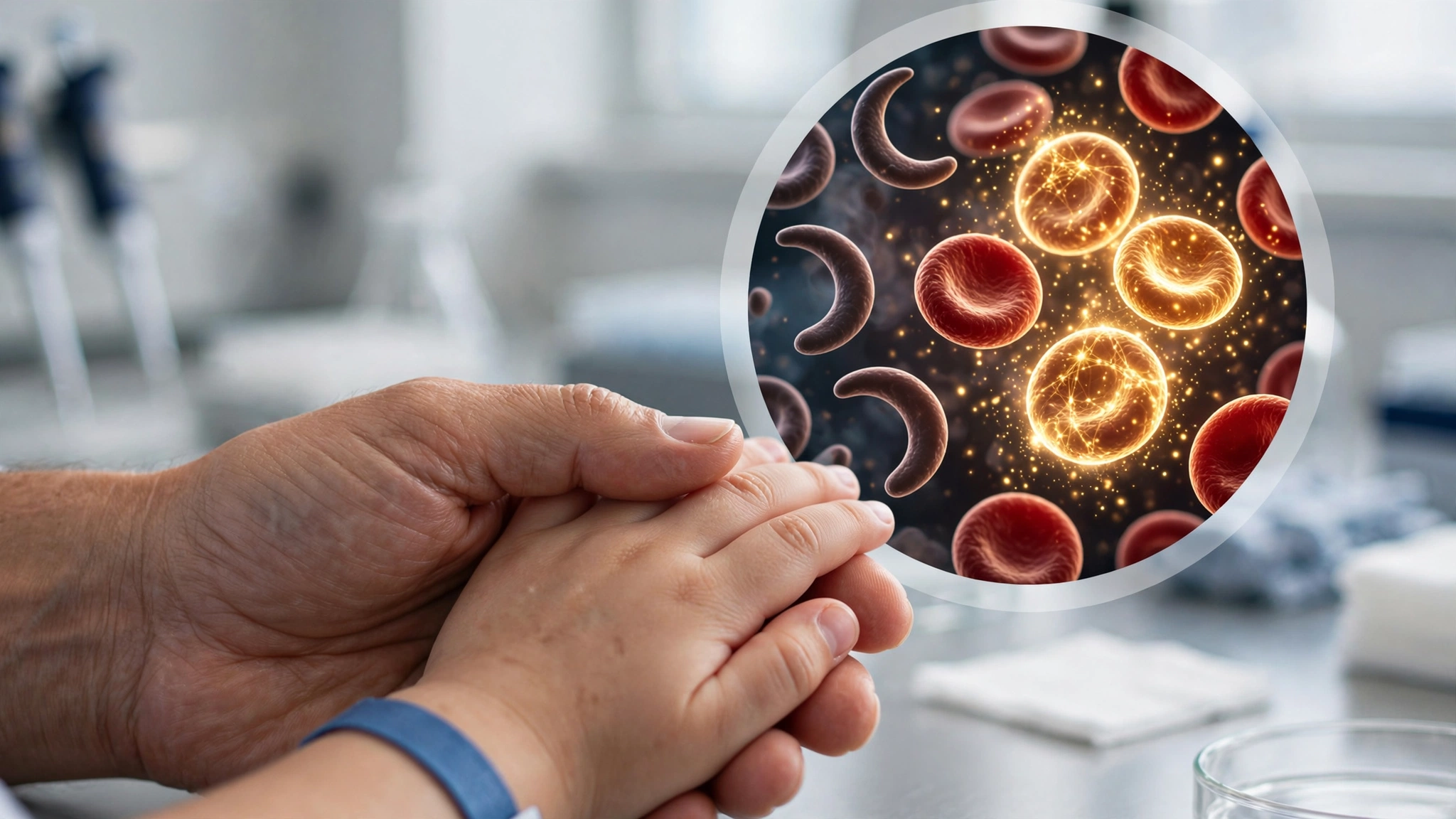
CRISPR Just Cured the Youngest Children Ever Treated — Then the Chemo Killed One
Exa-cel achieves 100% efficacy in children ages 5–11 with SCD and beta thalassemia. One child died from busulfan conditioning. The cost math still favors earlier treatment.
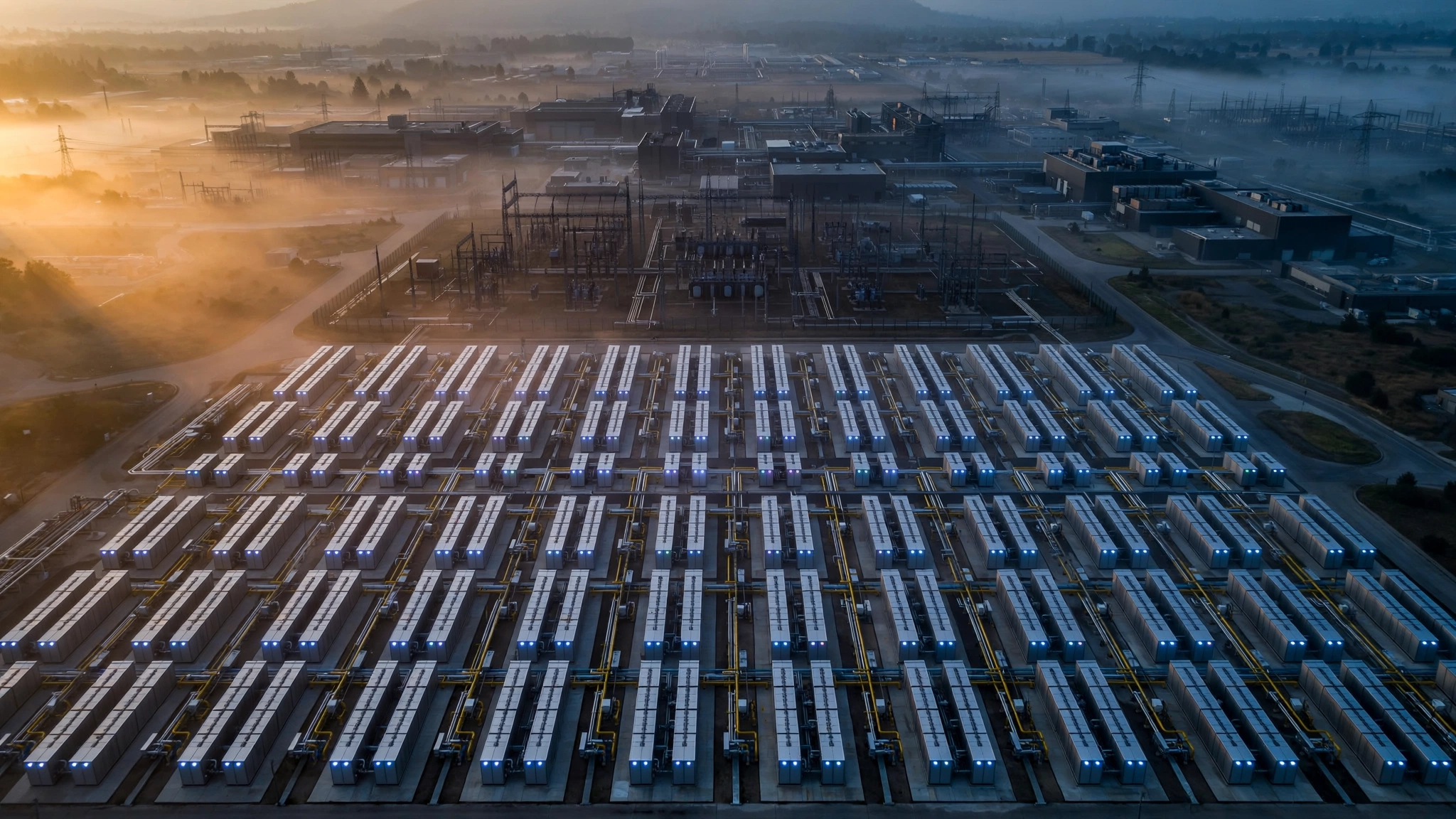
The $30 Billion Fuel Cell Boom Has a 60-Tonne Bottleneck
Fuel cell revenue is projected to hit $30B by 2030, up from $2.8B. One company holds virtually every contract. One mineral limits its supply. One country controls that mineral.
A Protein Shell With Zero Enzymatic Activity Became a Working Catalyst. It Cost $1,350 in Lab Work.
Bayreuth's CANVAS workflow transformed inert de novo TIM barrel scaffolds into functional enzymes at 1,400 M⁻¹s⁻¹ in a single design round. We calculated the cost per functional enzyme across four generations of computational catalysis: $1,106 in 2008, $338 today.
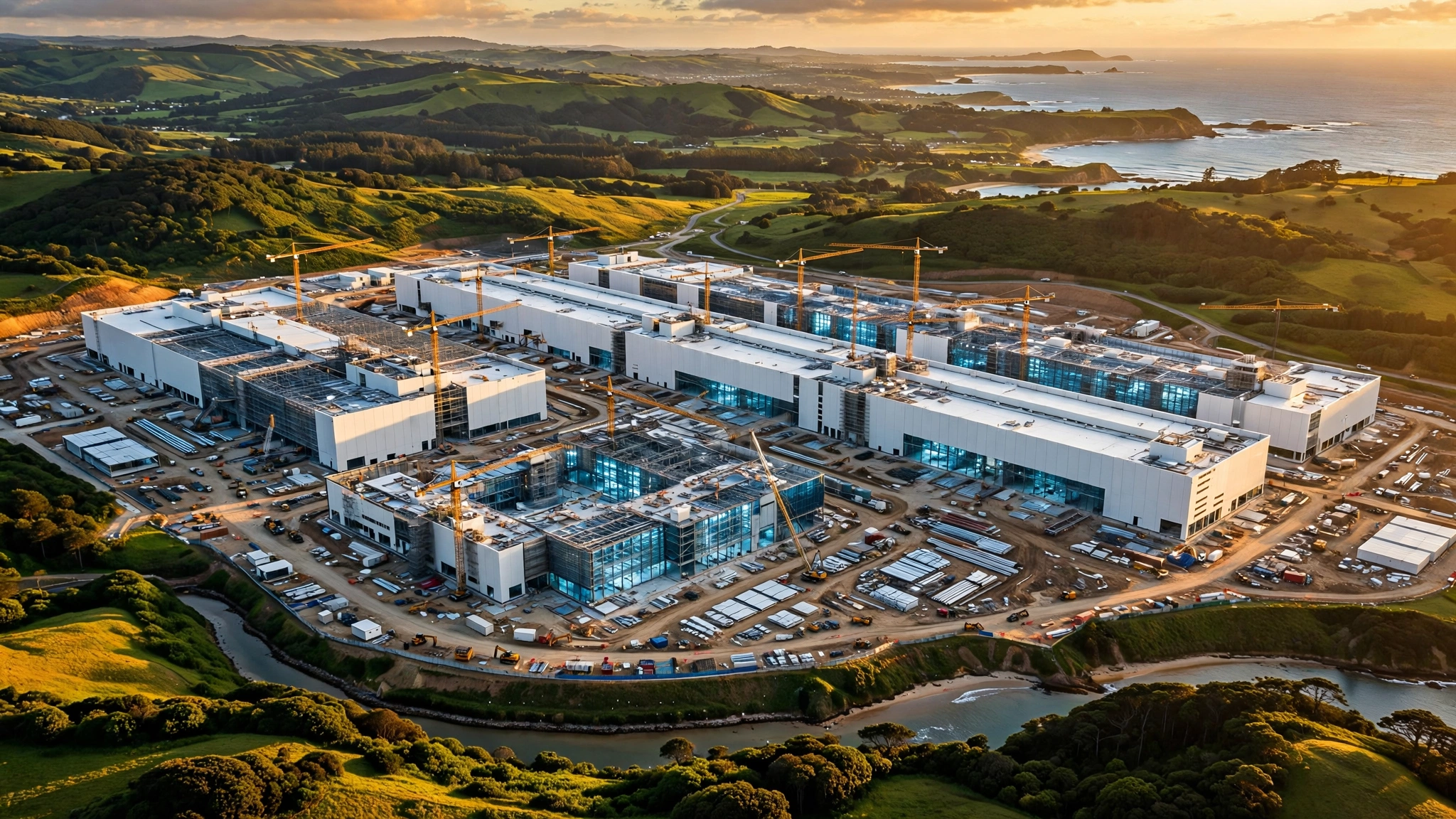
OpenAI Wants 900,000 Memory Wafers a Month. That’s 56% of Today’s Global Output. South Korea Just Bet $576 Billion It Can Deliver.
South Korea committed $576B to chip manufacturing because one customer wants more than half the world's DRAM. An original demand-absorption analysis shows even doubling capacity barely closes the gap.
421 Electrodes Just Outperformed 1,024. The Brain-Computer Interface Industry Is Optimizing the Wrong Variable.
Per-electrode efficiency across five BCI platforms reveals a 48-59× gap. The company with the fewest electrodes achieves the highest data rate. Electrode count is a marketing metric, not a performance metric.
An AI Law Firm Just Won Its First Trial. It Charged £400. The Losing Side's Lawyers Cost Thousands.
The Economist calls AI lawyering's results 'mixed.' The access-to-justice math says we're closer than the skeptics think.
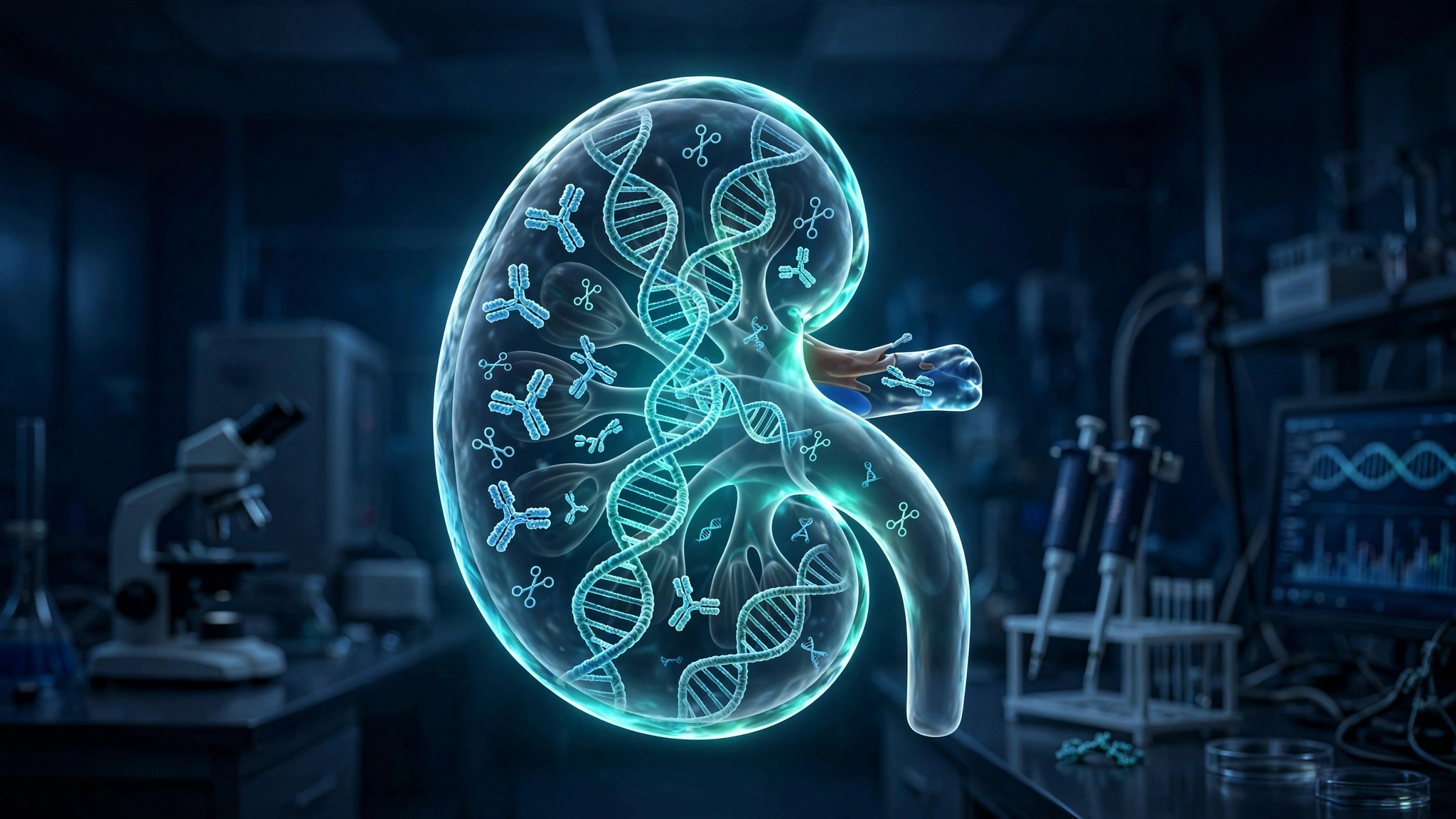
90,000 Patients Are Waiting for a Kidney. A 69-Edit Pig Organ and a New Antibody Just Produced Zero Rejections After Six Months.
CRISPR pig kidneys and a precision immunosuppressant converge in one protocol. Phase 2 data: eGFR 74 vs 61 at 18 months, zero rejections after six months. The $8.9 billion waitlist problem has a new answer.
More articles load as you scroll.