From the archive
Page 18 of 38 · 895 stories
From the archive
409–432 of 895 articles
General Fusion Is Going Public at $1 Billion. It Has Reached 7.2% of Its Temperature Target.
General Fusion's LM26 machine hit 0.72 keV via mechanical compression. The company's SPAC values that progress at $882 million per keV achieved. Here's what the cost-per-keV gap means for fusion's first pure-play public equity.

Agility Robotics Is Going Public at $2.5 Billion. Its 65,000 Factory Hours Reveal the Real Break-Even Math.
The first humanoid robot IPO gives us real numbers to test the economics. At $250K per robot and $49.56/hr loaded human labor costs, the crossover depends on one variable nobody is talking about.

Henrietta Leavitt's 1912 Data Was Re-Analyzed With Modern Tools. Her Scatter Dropped by Half.
The same 25 Cepheid stars Leavitt measured from photographic plates in 1912 were re-analyzed with Gaia parallaxes and CCD photometry. The scatter halved. The foundation of cosmic distance measurement holds.

LIGO Heard a Black Hole's Horizon for the First Time. It Spins 101 Times Per Second.
GW250114 detected frame-dragging at a black hole's horizon. An SNR-scaling analysis shows 1,000 such detections per year by the 2030s.

Fusion Reactors Could Be 20% Smaller Than Planned. Two New Papers Explain Why.
Alpha particles suppress plasma turbulence. The implications for reactor economics are enormous.

The U.S. Burned Through Four Years of THAAD Production in Four Months. The Pentagon's $35 Billion Fix Doesn't Close the Gap.
The Pentagon just signed the biggest missile defense contract in history. Each THAAD interceptor costs $15.5 million, up 63% since 2021. The Army simultaneously launched a crash program to build interceptors for under $1 million. Both decisions are rational. Neither solves the underlying math.

Microsoft Has Spent 20 Years and ~$2 Billion on Topological Qubits. Five of Its Major Papers Have Been Retracted or Challenged.
Five papers questioned. Zero verified qubits. A $1 billion bet on particles that may not exist. And a 2029 deadline that matches rivals who actually have working hardware.

Cerebras Raised $6.4 Billion in the Biggest Chip IPO Ever. Its Margins Look Like a Cloud Provider's.
Cerebras's first public earnings reveal 47% gross margins heading to 36%, capex burning 68% of revenue, and a single customer that is also its creditor, its shareholder, and 80% of its pipeline. The market is pricing CBRS at 58× revenue — a multiple that assumes NVIDIA-like economics. The balance sheet tells a different story.

Agility Robotics Is Going Public at $2.5 Billion. Its Robots Cost 18× More Per Task Than a $1,900/Month Alternative.
Agility Robotics will merge with Churchill Capital at a $2.5 billion valuation, becoming the first pure-play publicly listed humanoid company. A cost-per-tote analysis reveals humanoids run $0.53–$1.05 per move vs. $0.035 for purpose-built robots. The $2.5B question: is versatility worth an 18× premium?
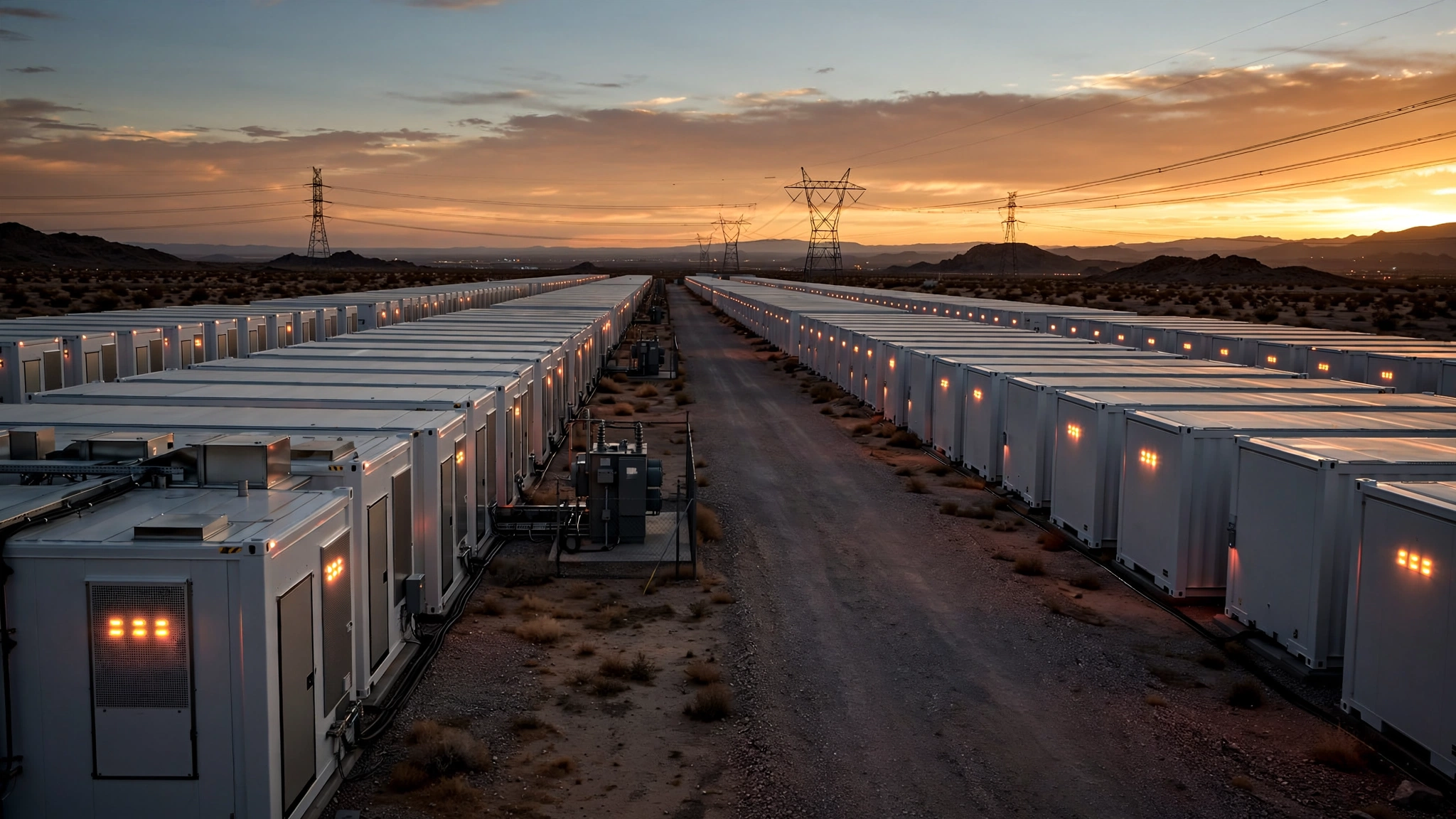
CATL's Sodium Battery Costs 13% More Per Kilowatt-Hour. It's 27% Cheaper Per Cycle. The Grid Storage Industry Is Buying the Wrong Metric.
CATL's TENER Sodium is the world's first field-validated sodium-ion grid battery. Its cells cost $59/kWh vs $52 for LFP. But 15,000 cycles at 1% auxiliary consumption flip the economics: $0.0045 per discharged kWh vs $0.0062 for lithium. The industry benchmarks by upfront cost. The math says that's the wrong number.
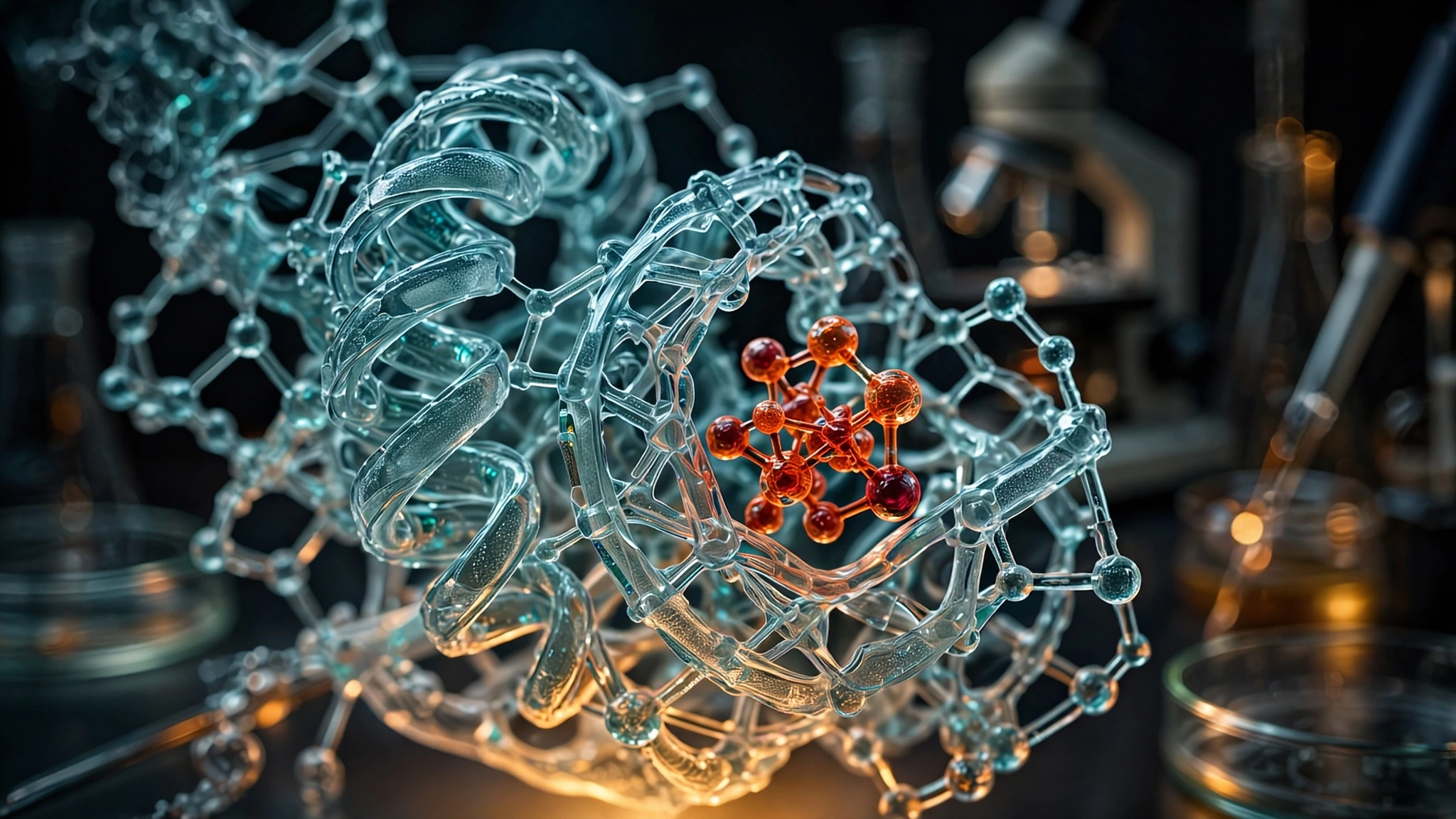
A Three-Person Lab Just Designed a Drug-Grabbing Protein That Rivals the Human Body's Own. It Took Five Hours of Compute.
Dana-Farber researchers built an algorithm called NISE that designed a protein binding apixaban at 80 picomolar affinity — matching factor Xa, the drug's natural target — with an 83% hit rate versus 0.044% for previous methods. We calculated the screening cost reduction: roughly 1,500-fold.
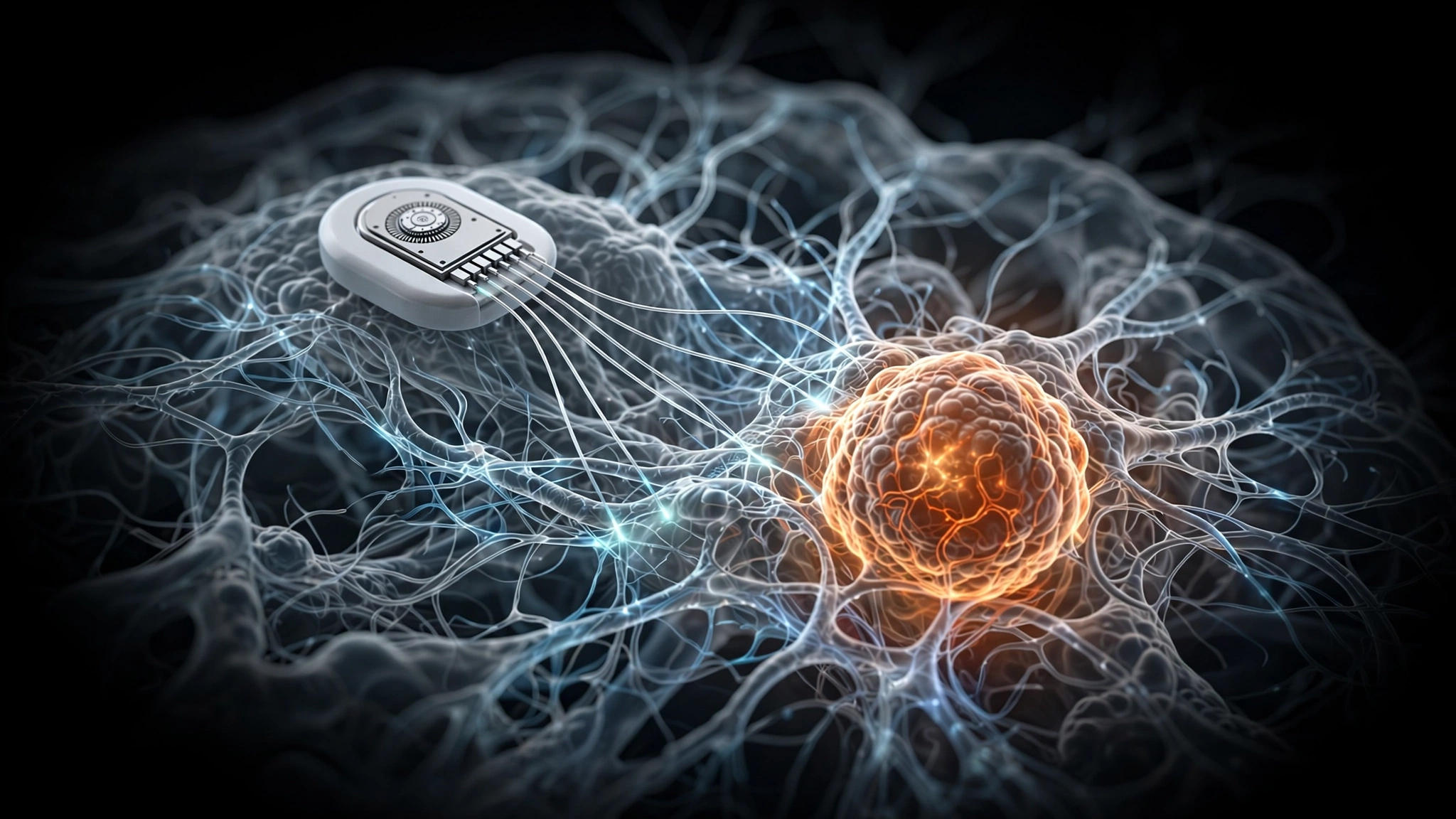
The First Cancer-Detecting Brain Implant Was Inside 3 Patients for 30 Minutes. Optune Costs $21,000 a Month.
Coherence Neuro tested a 16-thread brain implant designed to sense glioblastoma's electrical signature and deliver tumor-suppressing stimulation. A one-time implant during surgery could undercut Optune's $252,590-per-life-year economics by 20%.

The First Humanoid Robot IPO Puts a Price on Replacing You: $7.50 Per Hour
Agility Robotics just went public at a $2.5 billion valuation. For the first time, we can calculate what a robot worker actually costs per hour and stress-test whether Wall Street's math holds up.
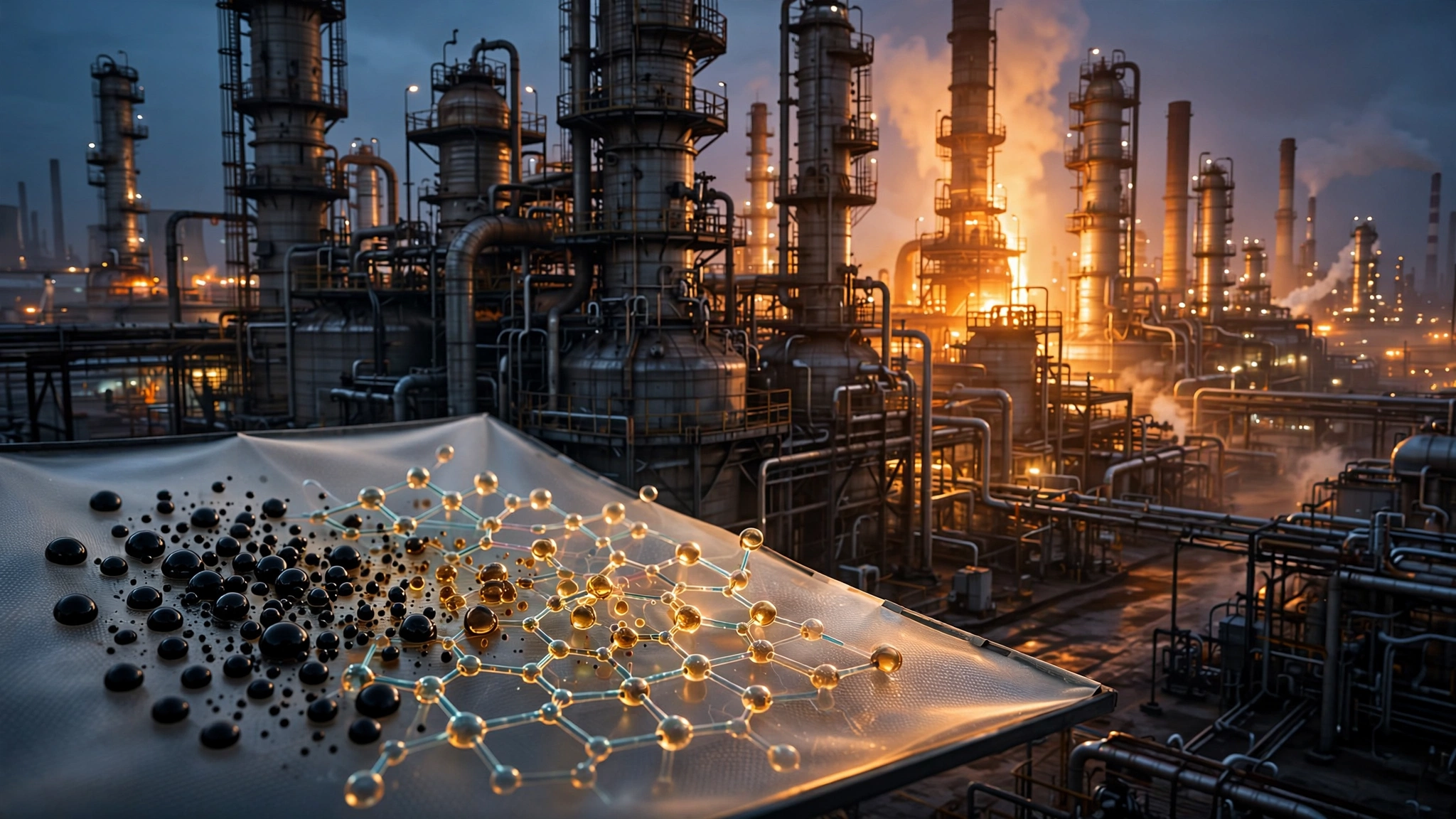
A $10-Per-Square-Meter Membrane Just Cut Oil Refinery Energy Use by 37.6%. It Was Hiding in Water Filters.
KAIST researchers show that a commodity polymer already mass-produced for water purification can pre-fractionate crude oil at room temperature, with savings that would exceed France's entire electricity consumption if deployed globally.

A Single IV Drip Just Replaced $500,000 a Year in Drug Injections. The FDA Filing Lands in Weeks.
Intellia's lonvoguran ziclumeran made 62% of hereditary angioedema patients completely attack-free with one infusion in the first Phase 3 in vivo CRISPR trial. A BLA submission is expected within weeks.
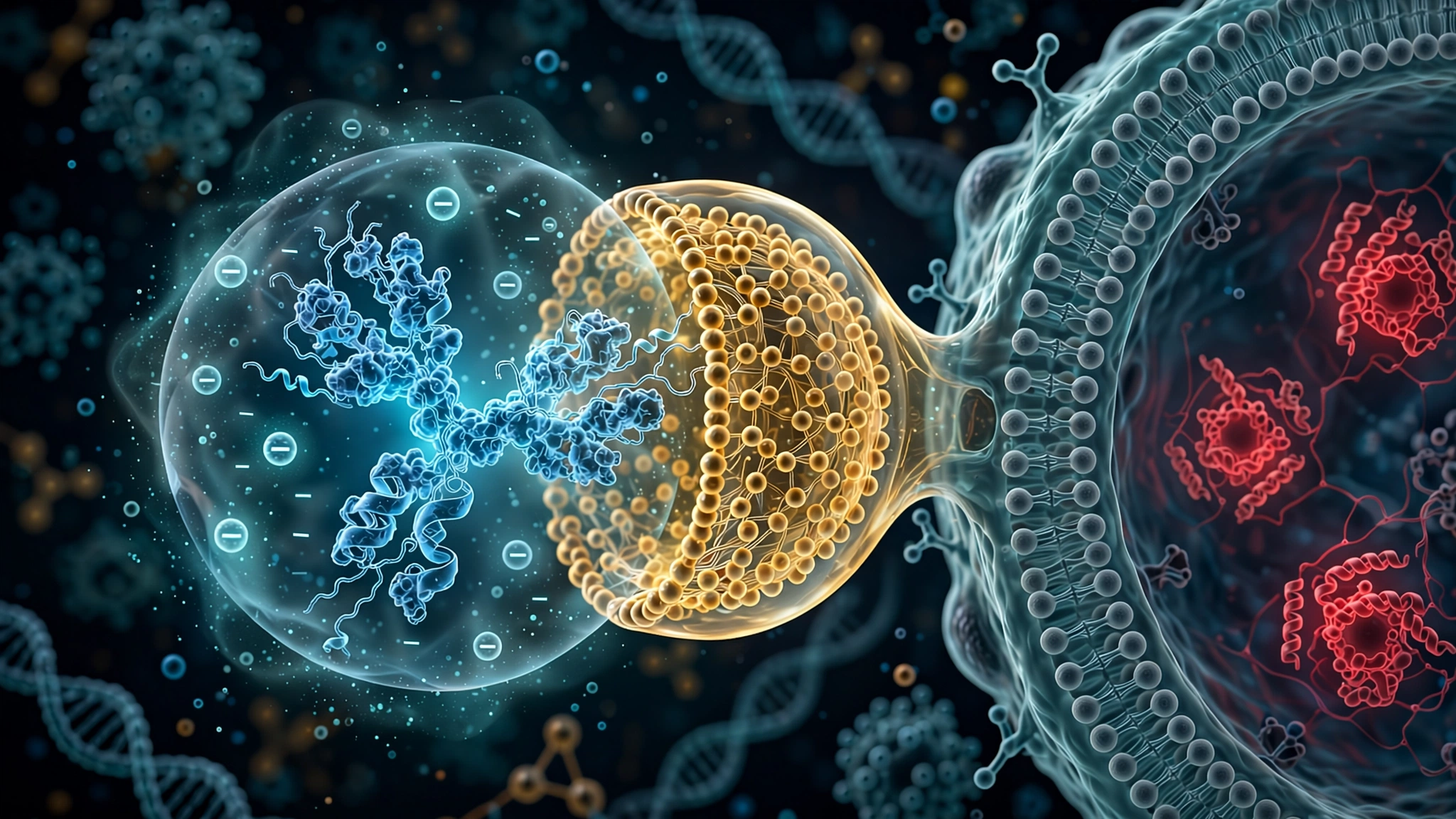
85% of Disease Targets Are Locked Inside Your Cells. Cornell Just Picked the Lock.
A sulfonate cloaking technique lets full-length antibodies sneak past cell membranes inside lipid nanoparticles, opening a $69 billion market opportunity against the proteome's most wanted targets.
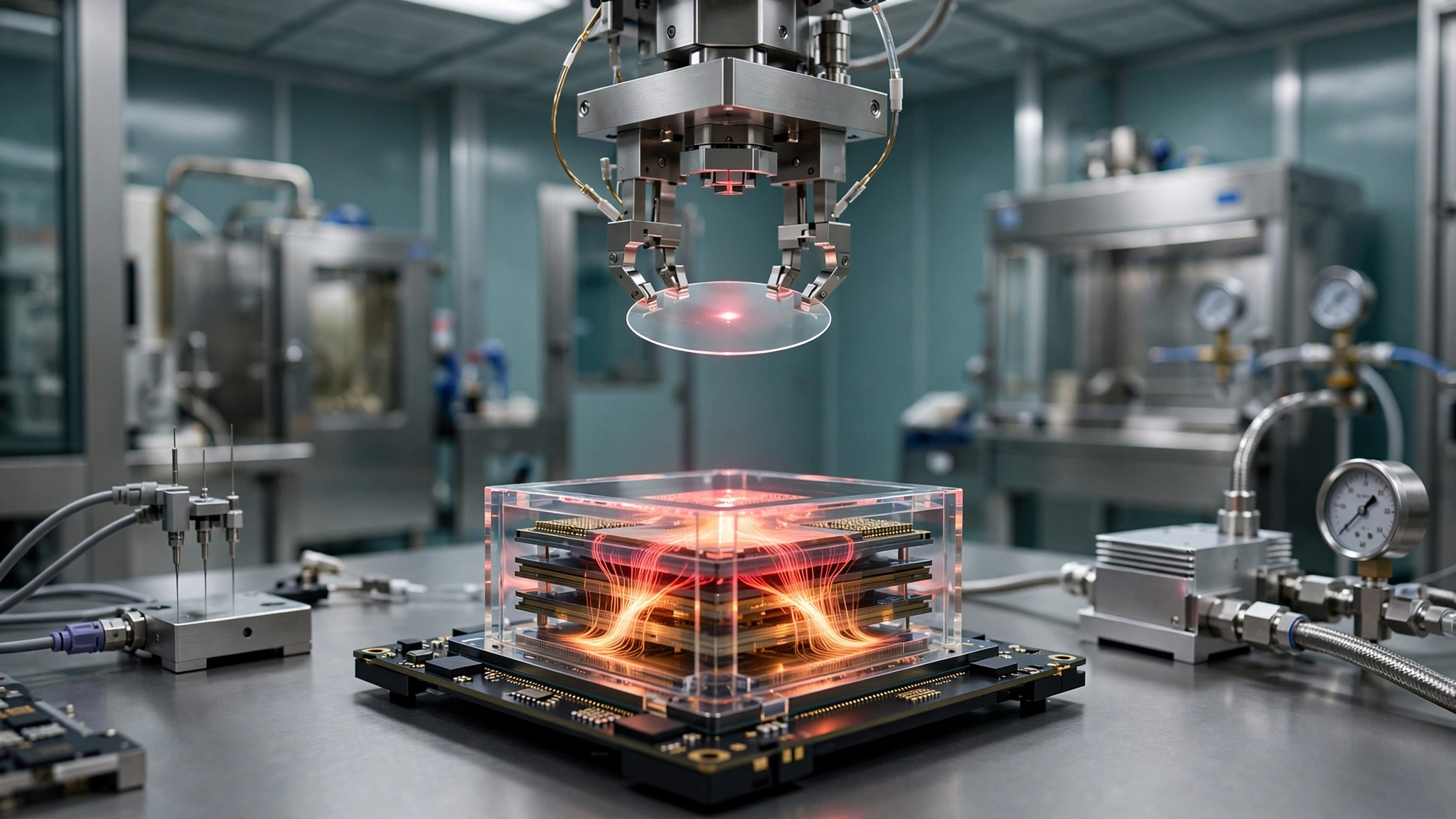
The $2 Billion Invisible Defect Tax Hiding Inside Every AI Chip
Advanced packaging now costs more than the silicon inside it, and when these sealed 3D chip stacks fail, nobody can see why without destroying them. Quantum diamond microscopy changes that equation.
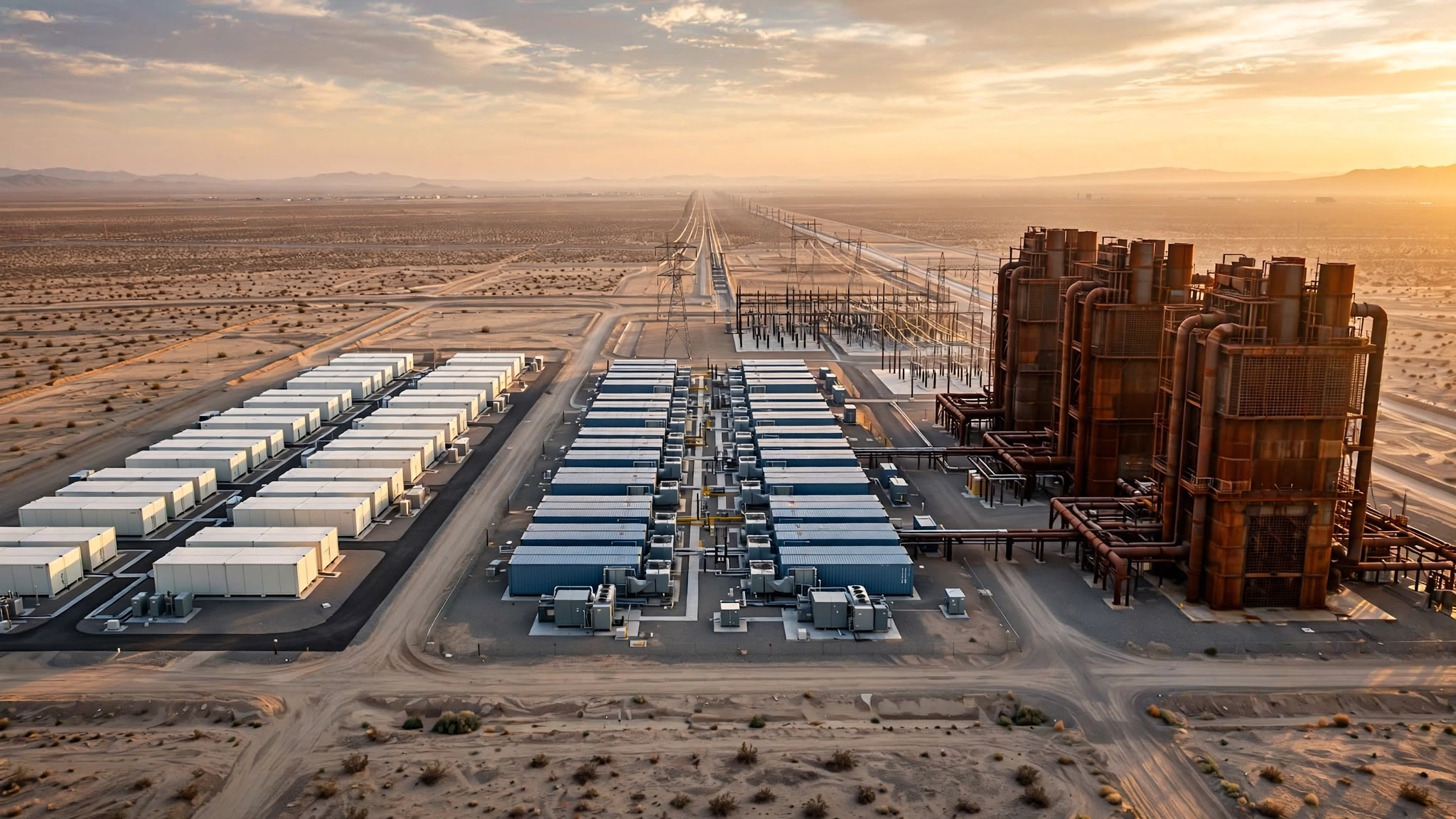
Grid Storage Just Split Into Three Chemistries. Only One Cost Metric Tells You Which Wins.

The Ocean Floor Holds 21 Billion Tons of Critical Minerals. Surveying One License Area Costs $6 Billion. A $200,000 Robot Just Cut That to $56 Million.

50 Boys a Year: The Impossible Math That Broke the FDA’s Placebo Mandate
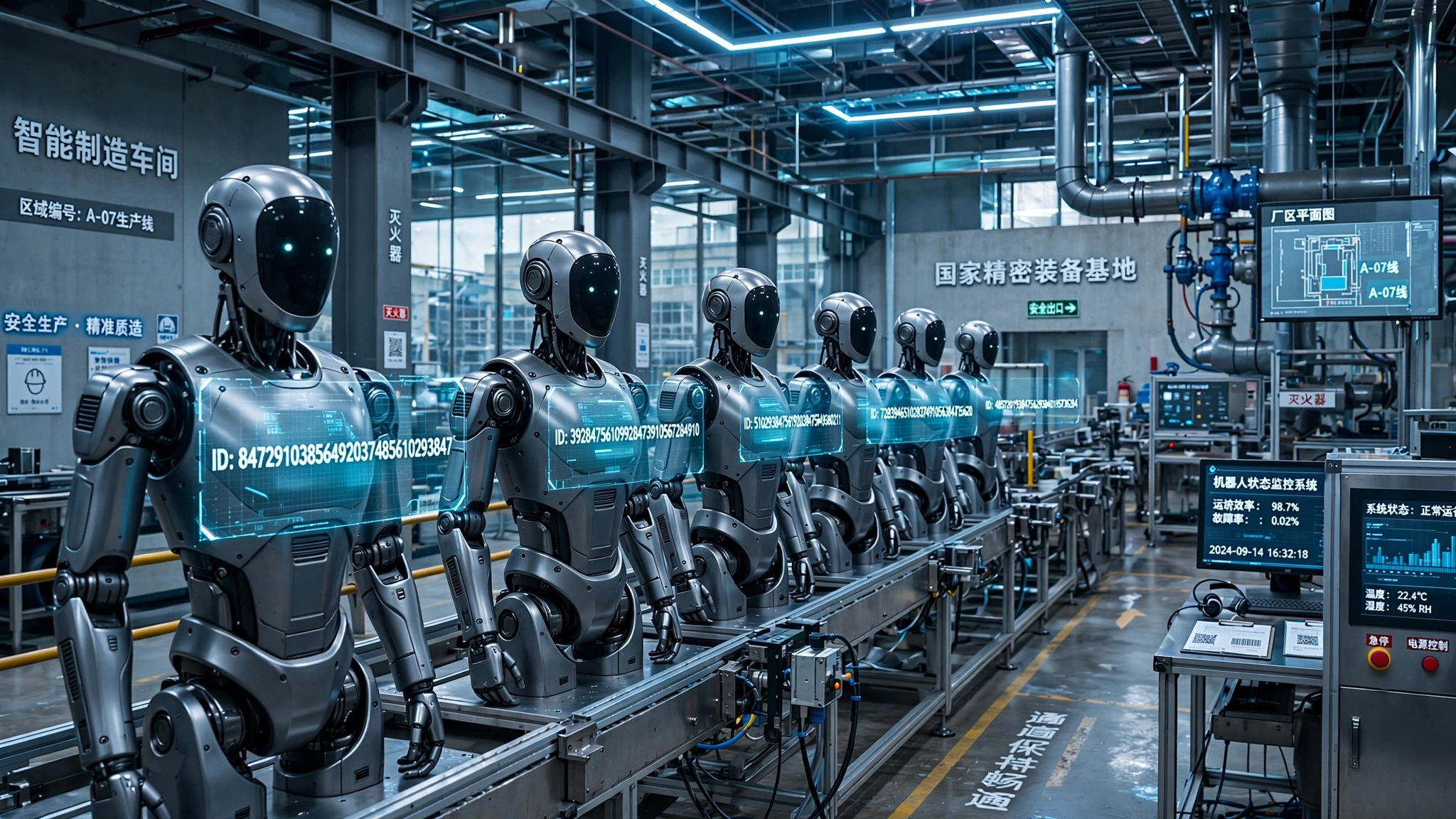
It Took 73 Years to Give Cars Government IDs. China Did It for Robots in Two.
Qualcomm Is Spending $14 Billion in Six Months on Three RISC-V Companies. Together, They Target Every Layer of NVIDIA’s $75 Billion-a-Year Software Moat.
A Nanotube Thinner Than a Virus Just Moved Lithium 31 Times Faster Than Physics Predicted
The Pentagon Just Separated the Brain from the Body of a Fighter Jet
More articles load as you scroll.